What this article is really about
There is one thing consuming you right now.
This article is about learning to hold it
without letting it hold you.
Good was the most exhausting thing I ever was.
I didn't reclaim my life in a single moment. I reclaimed it in annual installments, alone, while everyone else packed their bags.
That's not a metaphor. That's a travel itinerary.
But before the plans — before any of that — there was the thing I couldn't stop thinking about. The one that took up every room in my head and left no corridor for anything else to pass through.
You have one of those right now. I know because you're here.
Start here — before you read anything else
"What is the one thing going wrong in your life right now that is taking up 80% of your mental space?"
Named. Now hold it exactly there — in one place — and keep reading. This article is built for precisely that thing.
Here is what I know about the thing you just named.
It feels total. Like the only two options are: solve it completely, or be consumed by it entirely. It bends every other thought toward it the way a drain bends water — not forcefully, just inevitably, until everything is moving in the same direction and you've forgotten there was ever another current.
There is a third option. That's what this series is about.
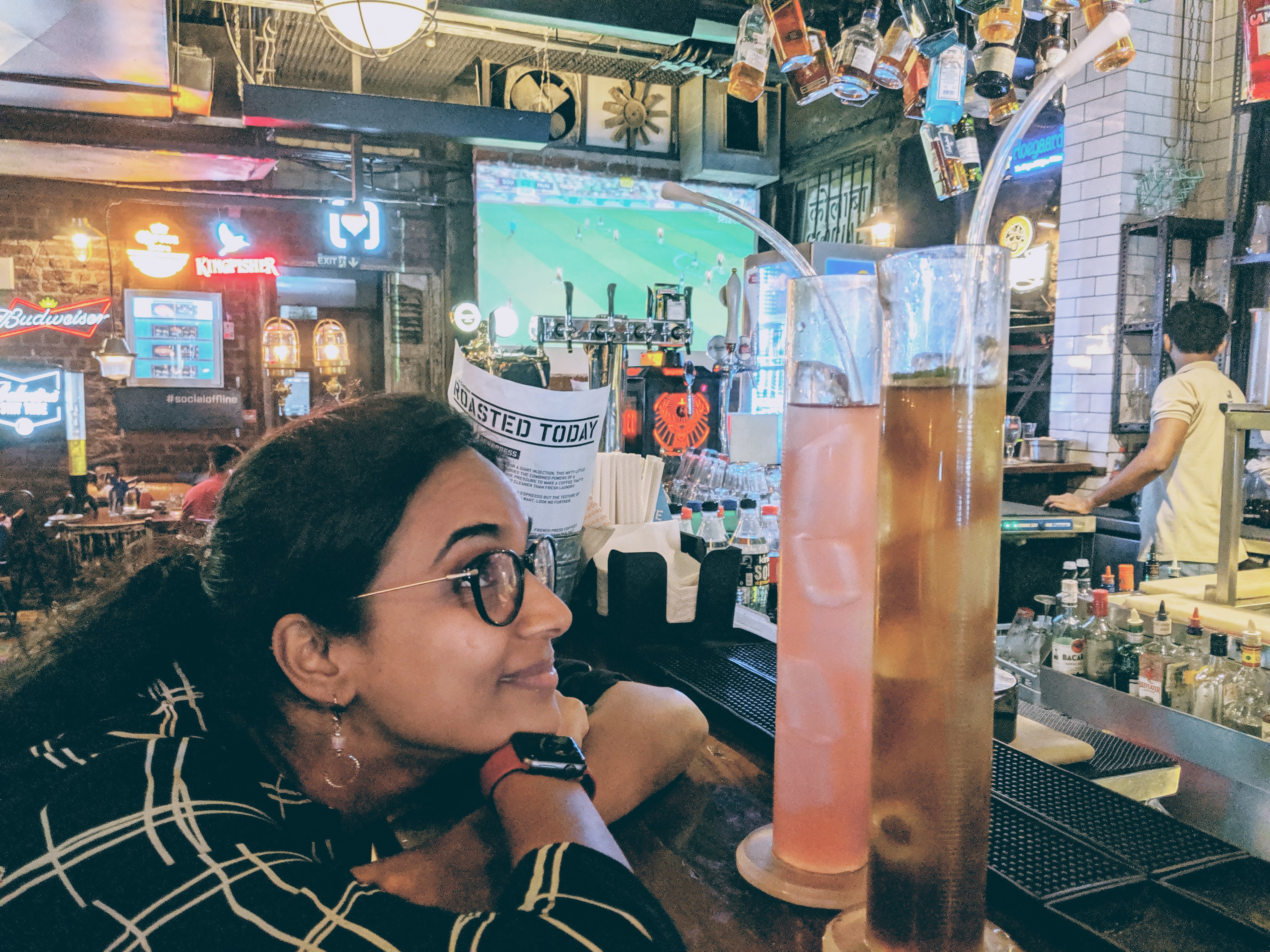
India, 2019. Still figuring out which parts of the noise were mine.
I was very, very good at being good. Responsible. Available. The person the plan always appeared for, never the person it appeared to.
After 2015 — after the phone call, after the fifteen minutes — something in me took inventory. Not deliberately. The way your eyes adjust in a dark room without being asked. I looked at the life around me and saw, for the first time with any clarity, that every piece of it had been arranged by someone else's preferences. Including me.
I looked tired. Not the kind sleep fixes. The kind with no clear start date.
Just done. The way a battery is done — no warning light, just silence where there used to be output.
The architecture nobody photographs
I started making plans.
Annual trips to India first — filling the absence with something present, something mine. Then one other trip each year. Nothing that announced itself as significant. Just a deliberate, recurring line item in my own calendar that said: this one is not negotiable.
Nobody helped me plan them. Nobody offered. They simply appeared — flights booked, hotels confirmed, every moving part accounted for — and everyone arrived and found it already done.
Nobody photographs the architecture. They photograph the arrival.
The architecture was this: research at 11pm, budgeting done around everyone else's preferences, five different schedules coordinated by the one person whose schedule was never the constraint. The invisible scaffolding that held the whole thing up, built by the same hands that disappeared the moment we arrived.
I was a one-woman operation. Planner. Executor. Contingency manager. And then, when we arrived — the person who quietly ensured everyone else was having the trip she had built, so that she could have it too, somewhere inside it.
The backlash came. It always does when you start appearing in equations that were balanced without you.
I carried it. I had practice.
Because the alternative — not going, not insisting on this single thing — meant returning to the version of me that simply waited. And I had felt what that cost.
I had cleaned that kitchen.
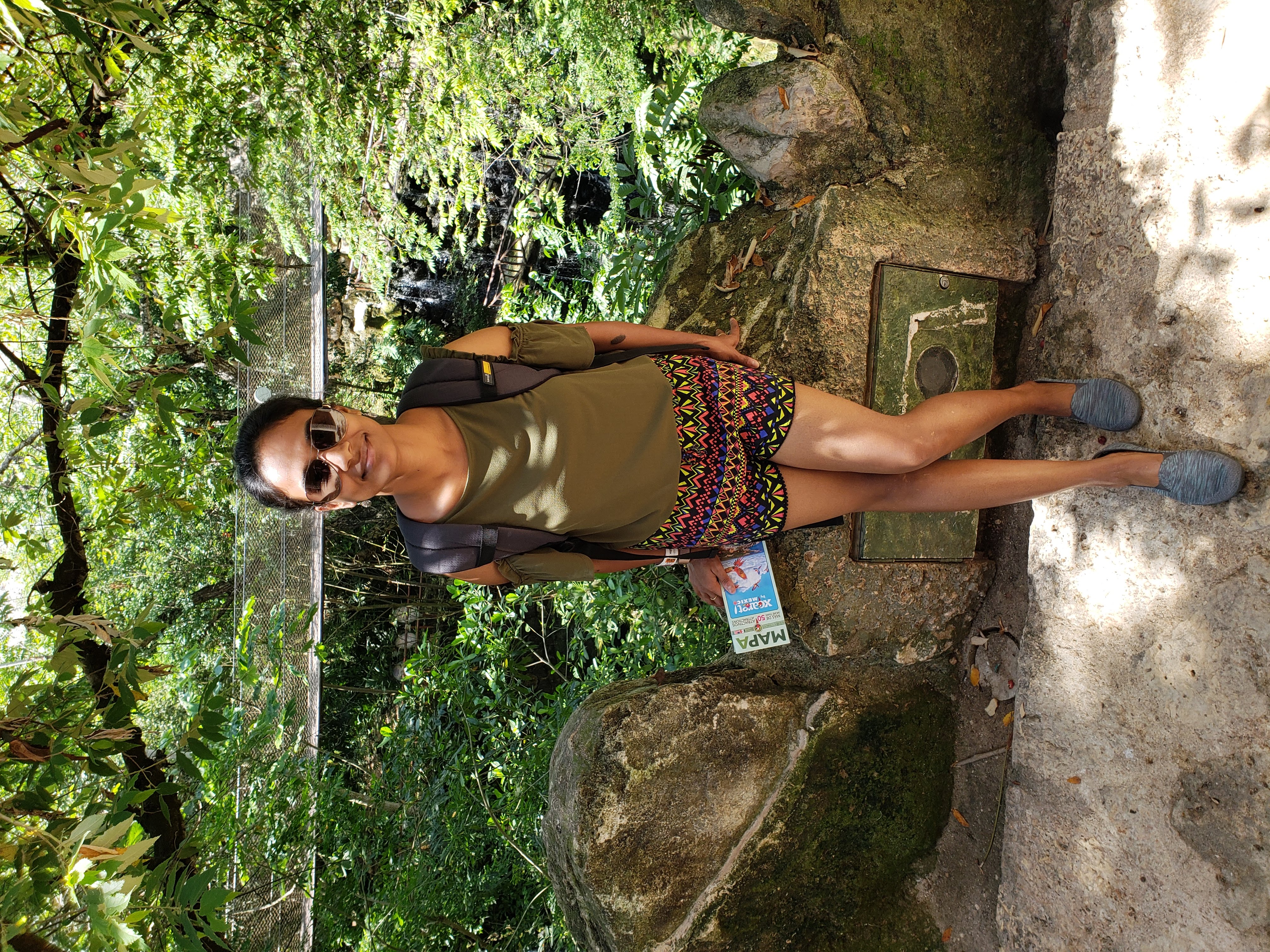
Cancun, 2018. A plan nobody else made for me.
Mid-read — your turn
"What's the one thing you keep choosing — quietly, stubbornly — that is entirely yours?"
How the compartmentalizing actually began
Growth doesn't feel like growth while it's happening. It feels like stubbornness. It feels like booking the same trip for the fifth year running and still explaining it to people who never planned a single one.
I didn't silence the internal committee that ran every decision past an imaginary panel of everyone whose approval I had been managing. I just became faster than it.
And here is what I understand now that I didn't then: I wasn't suppressing the hard thing. I was learning — without naming it, without a system — to give it a specific address.
To say, without apology:
You exist. And I see you.
And you live here.
Not everywhere.
Here.
The trip in its folder. The problem in its own. Me — still moving, still building, still arriving.
The instinct that became a system
Compartmentalizing didn't arrive as a framework.
It arrived as a survival reflex.
Like covering a candle when someone opens a door.
Not thinking. Just protecting the one thing still burning.
One folder, sealed, just for me.
Everything else can press in. But not this.
Name what's mine. Protect it. Move.
Good. Tired. Gone.
Not in that order. All at once. Over years.
And the one who remained was quieter, sturdier,
and considerably harder to talk out of her own plans.
Pause here — the first exercise
"Go back to what you named at the start. Now separate it."
Two questions. The beginning of the folder system.
What is actually happening — stripped of all emotion, just the facts?
What do you still want — regardless of this situation, in spite of it?
Two separate folders. The situation. Your direction. They are not the same thing — even when they feel like one enormous weight pressing from the same place. Separating them is where it starts.
Go deeper — free workbook
The full Session 2 worksheet carries three more questions this article does not have space for.
What are you lying awake thinking about at 2am? What situation do you keep replaying uninvited? What is making everything else feel impossible? — with room to work through each one without the pressure of a screen.
Where this goes next
The plans got bigger. The folder got fuller. The committee got quieter.
And somewhere between the annual installments and the one-woman operations, a version of me was assembling herself from the evidence — piece by piece, trip by trip, sealed folder by sealed folder.
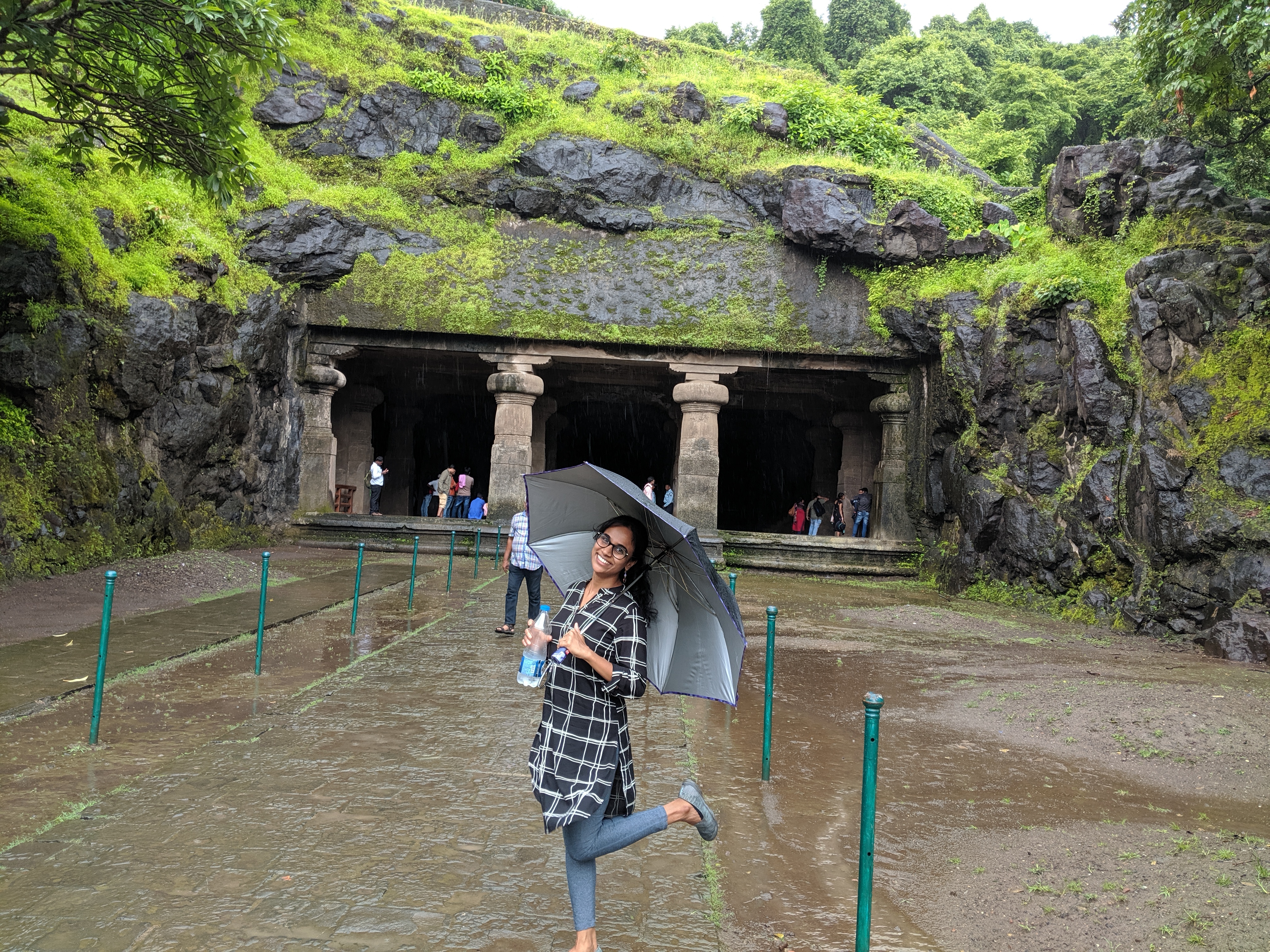
Elephanta Caves, Mumbai, 2019. It was raining. I didn't care.
She had no name yet for what she was building. She just kept building. And eventually the building took her somewhere she had never thought to go — somewhere the altitude asked nothing of her except the next step.